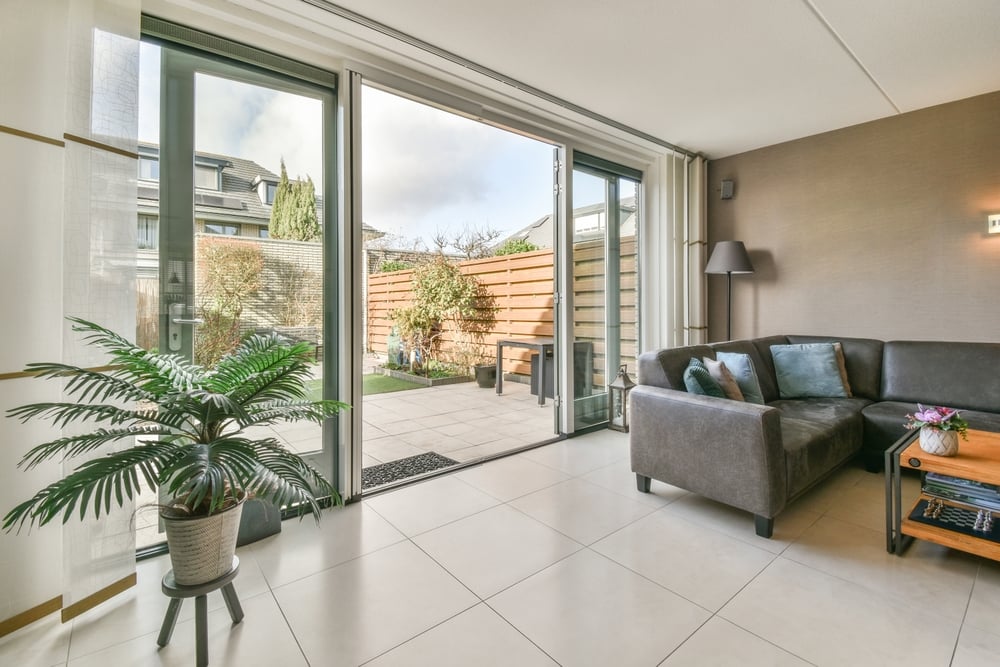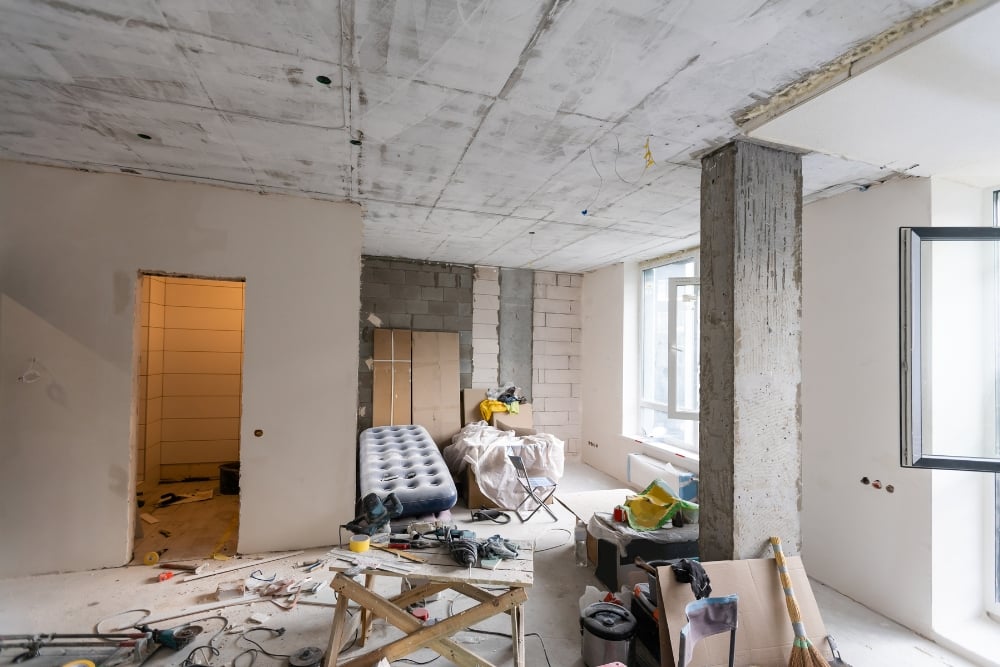
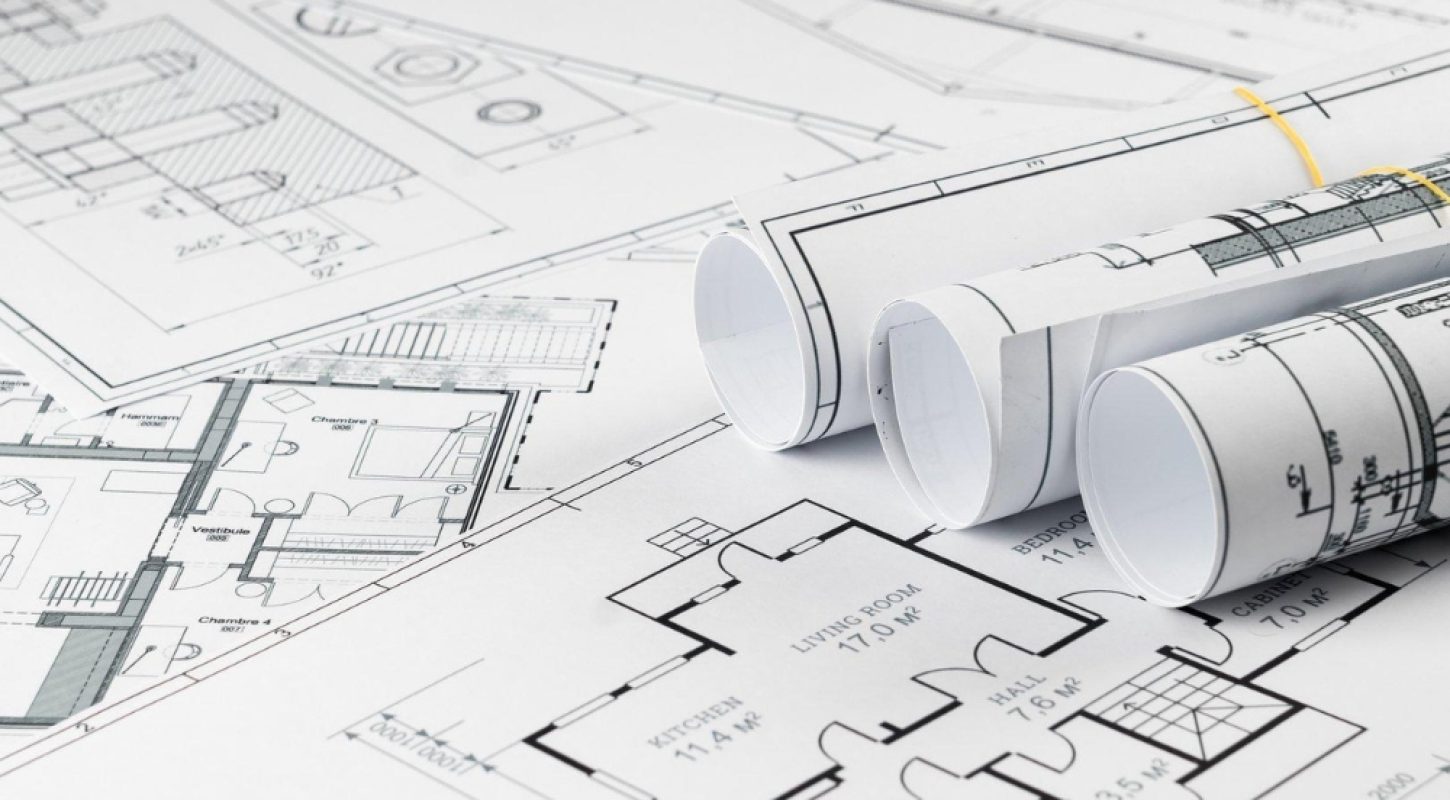
A home extension is one of the best ways to get more out of a house you already love. More room for a growing family, a better kitchen, a second living area, or a parents’ retreat, all without the cost and upheaval of selling up and moving on.
The part that catches most people out isn’t the building. It’s everything that happens before the first wall goes up. Planning an extension well is what keeps the project on budget and on time.
Here’s the full timeline, stage by stage, so you know what’s coming and roughly how long each part takes.
Stage 1: Brief and Budget
Every good extension starts with two questions. What do you need, and what can you realistically spend?
Get clear on how you want to use the new space before you talk to anyone about design. A morning sketch on the back of an envelope is fine. The point is to separate the things you need from the things you’d like, because that distinction shapes every decision that follows.
Set a budget early and build in a contingency of around 10 to 15% for the unexpected. Older homes have a habit of revealing surprises once work begins, things like outdated wiring or footings that need attention. A sensible buffer means a surprise becomes a minor hiccup rather than a crisis.

Stage 2: Design and Concept
This is where your ideas start to take shape on paper. Depending on the size and complexity of your extension, you might work with a building designer, an architect, or a builder who offers design as part of their service.
Concept design usually moves through a few rounds. You’ll look at how the new space connects to the existing house, where light comes in, how rooms flow into each other, and how the addition sits with the character of the original building. A good extension feels like it was always meant to be there, not bolted on the back.
Expect this stage to take anywhere from a few weeks to a couple of months. The time you invest getting the design right is time you won’t spend regretting decisions later.
Stage 3: Approvals and Council
This is the stage people worry about most, and it helps to understand how the system works in NSW. There are three main approval pathways, and one applies to your extension depends on its size, your block, and how your property is zoned.
Exempt Development
Minor works like a small deck or pergola can fall under exempt development, which needs no formal approval at all, as long as the work meets the specific size and boundary rules. Most genuine extensions are bigger than this, but it’s worth knowing the category exists.
Complying Development Certificate (CDC)
Many straightforward extensions qualify for a CDC, a fast-tracked approval that combines planning and building consent in one. If your plans meet every standard in the state’s Codes SEPP, an accredited certifier or your council can approve the work without a full council assessment. A CDC can be issued in around 20 days, which is why it’s the preferred path where a project is eligible. You can read more about the requirements on the NSW Planning Portal.
Development Application (DA)
If your block has complications, a steep slope, flood risk, or a heritage overlay, or your design doesn’t fit neatly inside the CDC rules, you’ll go through a DA with your local council. It takes longer and involves more assessment, but it gives you far more flexibility on what you can build. DA timeframes vary widely between councils, so factor in a few months and ask your builder or designer for a realistic estimate based on local experience.
One recent change worth knowing: planning reforms that took effect in March 2026 introduced a faster pathway for minor variations to development standards, so small departures from the rules no longer automatically tip a project into the full DA process. Your certifier or builder can tell you whether this applies to your plans.
Stage 4: Detailed Documentation and Contract
Once your approval pathway is clear, the design gets translated into the detailed drawings and specifications the builder needs to price and construct the work. This is also where engineering, energy ratings, and any other reports get finalised.
With documentation done, you’ll receive a detailed quote and a building contract. Read it properly. Check what’s included, what sits as a provisional sum or prime cost item, and how the payment stages line up with actual progress on site. In NSW, residential work over $20,000 requires a written contract and Home Building Compensation cover, and you shouldn’t pay a deposit until you’ve seen the insurance certificate.
A builder who walks you through the contract clearly, rather than rushing you to sign, is showing you how they’ll operate for the rest of the job. You can follow a clear timeline for planning and executing an extension, with steps covering design, approval, build, and handover, on our building process page.
Stage 5: Construction
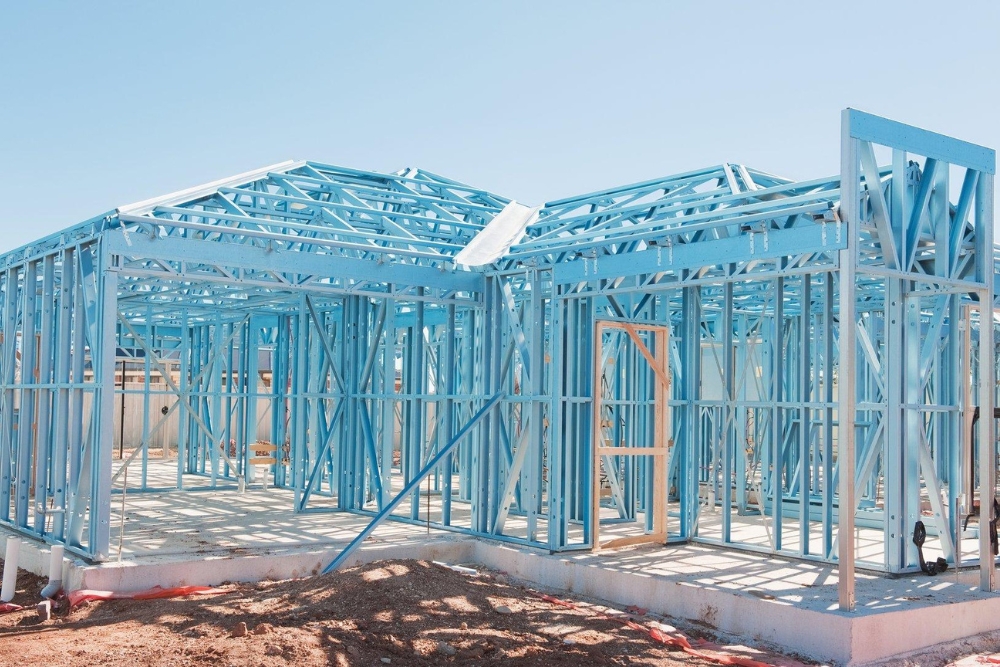
With contracts signed and approvals in hand, the building begins. For an extension, the early work usually involves site preparation, demolition of any existing structure, and laying footings and the slab.
From there the project moves through framing, roofing, the lock-up stage when windows and doors go in, then the internal fit-out: electrical, plumbing, plastering, cabinetry, and finishes. Where an extension differs from a new building is the join. Connecting new to old, matching rooflines, tying in services, and managing the point where the two structures meet takes care and experience.
Most extensions run somewhere between three and six months on site, though that depends heavily on size, complexity, and weather. A clear progress schedule and regular updates from your builder keep the whole thing predictable.
If you’d like a sense of what’s achievable, our project gallery shows extensions and renovations we’ve completed across Newcastle and Lake Macquarie.
Stage 6: Handover
Handover is the final stage, and it’s more than just getting the keys. Before the work is signed off, there’s a final inspection and an occupation certificate confirming the extension is safe and complete to code.
Your builder should walk you through the finished space and complete a defects list, sometimes called a punch list, capturing any small items that need attention. Good builders sort these promptly. You’ll also receive warranties, manuals, and documentation for the work and any installed appliances.
Then the part you’ve been waiting for. You move in and start using the space you planned all those months ago.
How Long Does the Whole Thing Take?
Every project is different, but as a rough guide for a typical NSW extension:
Stage | Rough Timeframe |
Brief and budget | 1 to 2 weeks |
Design and concept | 3 to 8 weeks |
Approvals (CDC vs DA) | 20 days for a CDC, a few months for a DA |
Documentation and contract | 3 to 6 weeks |
Construction | 3 to 6 months |
Handover | 1 to 2 weeks |
Add it up and most extensions run somewhere between eight and twelve months from first conversation to moving in. The build itself is only part of that. The planning and approval stages are what make the difference between a smooth project and a stressful one.
Planning an Extension in Newcastle or Lake Macquarie?
We’re a family-owned builder based in Newcastle with over 30 years of experience in renovations, extensions, custom homes, and granny flats across the region. We handle the whole journey, from early concept and approvals through to handover, and we keep you informed at every stage. You can read more about our renovations and extensions work to see how we approach it.
If you’re thinking about an extension and want to talk through what’s involved, get in touch. Paul is happy to have an honest conversation about your project, the likely timeline, and whether we’re the right fit, with no obligation.