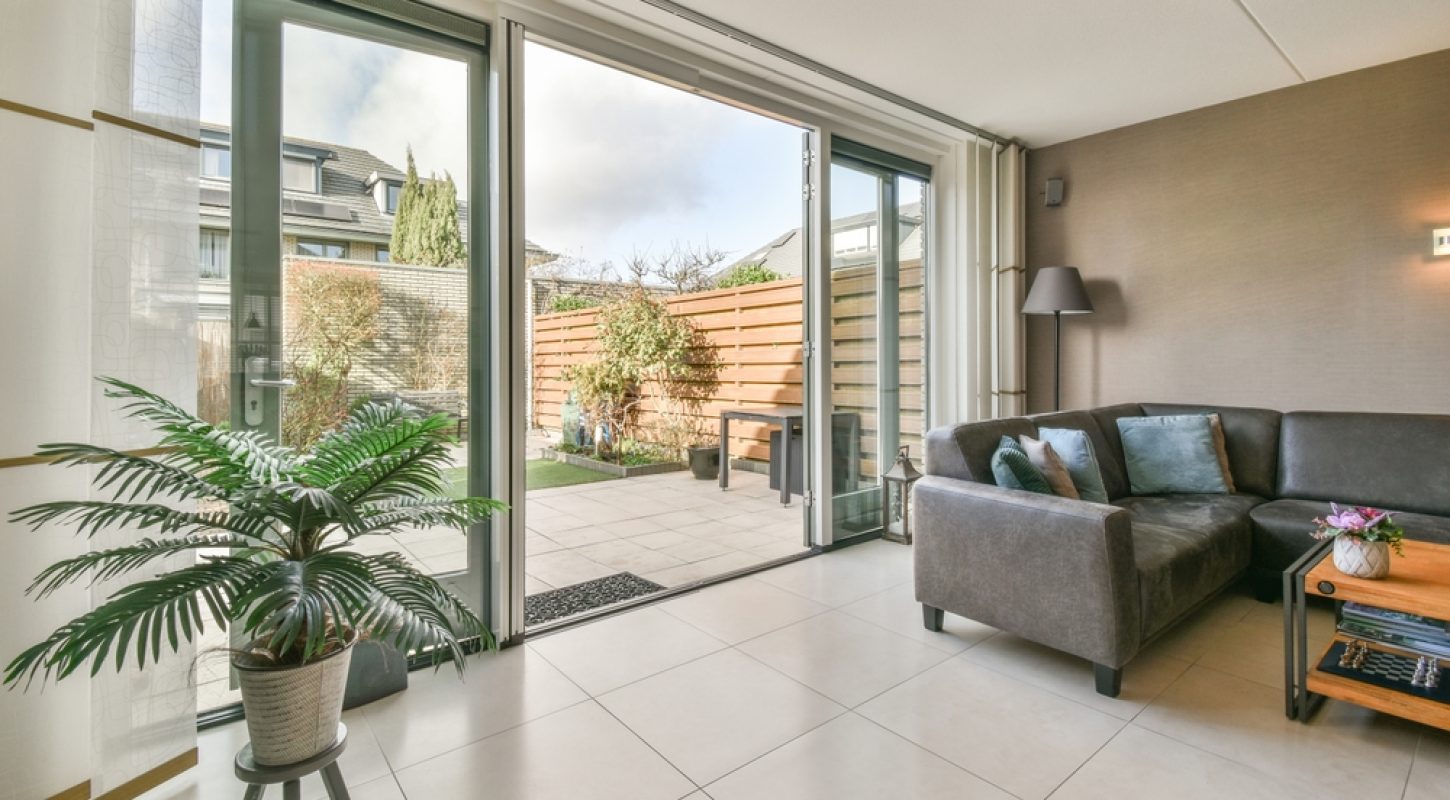
A well-designed extension doesn’t just add extra room. It improves how you live in your home every day. One of the most effective ways to do that is by creating a smooth flow between your indoor and outdoor areas. When the two connect well, the whole home feels bigger, brighter, and more comfortable.
In Newcastle and the surrounding areas, families spend a lot of time outdoors, so building this connection into your extension can really lift the value and feel of your home. Here’s how to plan an extension that brings your indoor and outdoor spaces together naturally.
Start With How You Want to Use the Space
Every good extension begins with a clear purpose. Think about how you live and what you want from your home.
Do you picture relaxed family meals outside? A big sliding door that opens onto the yard? A covered deck for entertaining? Or maybe you just want better airflow and natural light.
When you understand how the space should function, the design becomes much easier.
Choose the Right Doors to Connect the Spaces
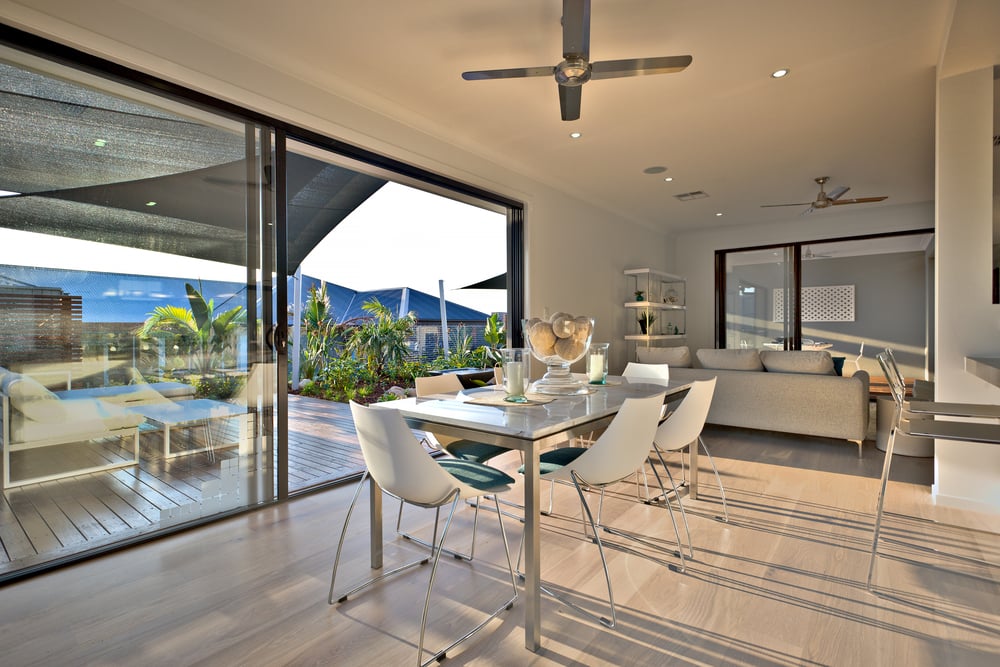
The door you choose plays a huge role in how indoor and outdoor areas interact.
Here are some common options:
- Sliding doors for simple and wide openings
- Stacker doors for a larger, flexible entryway
- Bi-fold doors for a fully open wall effect
- French doors for a more traditional feel
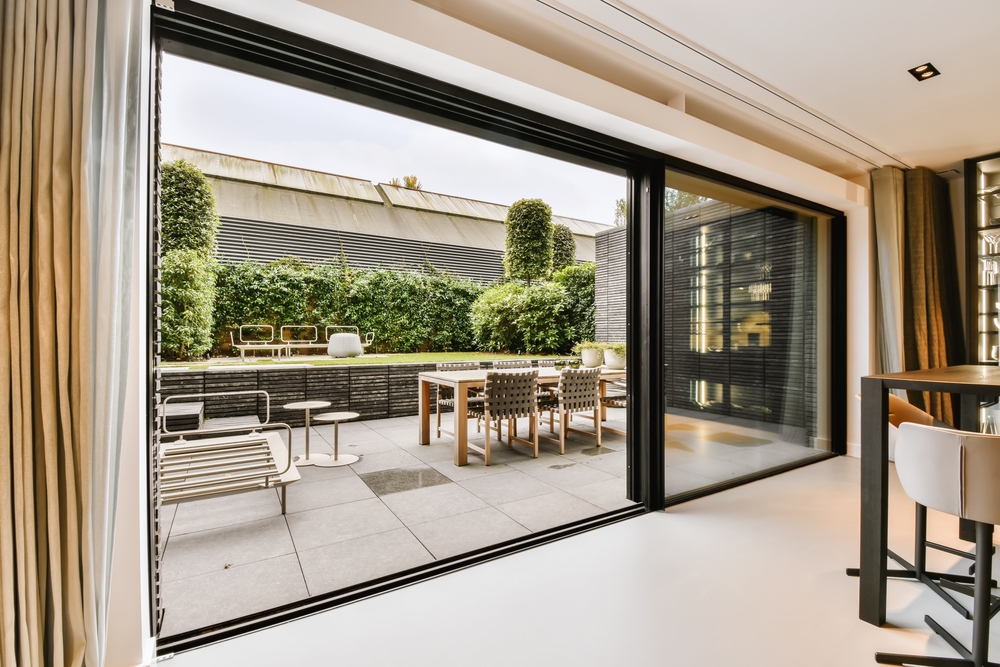
Large door openings make the transition smoother and create the feeling of one continuous space.
Use Matching Materials for a Seamless Look
When the indoor flooring flows directly to the outdoor area, everything feels more connected. Timber-look floors that extend to a deck, or tiles that continue to an outdoor patio, help remove the visual break between the two spaces.
Consistent colours and textures also make the extension feel deliberate rather than added on. This is something buyers notice immediately.
Plan for Shelter and Shade Outdoors
Your outdoor space needs to be usable all year. A well-designed roof extension, pergola, or covered alfresco area gives you shade in summer and protection from rain.
A simple roofline that extends from the home often works best because it feels like a natural continuation of the house. This also helps regulate temperature by reducing harsh sunlight through large doors or windows.
Think About the Layout of Your Inside Rooms
The location of your kitchen, dining room, and living area plays a big part in how the extension works. These rooms often sit at the back of the home, which makes them perfect for connecting to the outdoors.
If you’re renovating at the same time, consider removing the walls that block the view or restrict movement. A clear path between these rooms and your outdoor area makes the whole layout feel intentional and practical.
Make Outdoor Spaces Comfortable and Functional
It’s not only about the indoor design. What you do outside also affects the overall feel.
Simple touches can make a big difference:
- Level paving or decking that aligns with the indoor floor height
- Outdoor lighting for evening use
- Easy access to the yard, garden, or pool
- A defined dining or lounge area
These elements turn your outdoor area into a genuine extension of your living space
Use Landscaping to Blend the Two Areas
Plants and garden design help soften the transition between your extension and the backyard. Low garden beds, potted plants, and greenery near the doors draw your eyes outward and make the yard part of the view.
Even small landscaping changes can enhance the feeling of connection.
Work With a Builder Who Understands Flow and Design
The most successful extensions are the ones that look and feel like they were always part of the home. That takes planning and experience.
At Extrabuild, we design extensions that connect naturally with existing indoor spaces and outdoor living areas. We look at your home’s layout, natural light, roofline, and yard so the new space works for the long term.
Let’s start building your dream
Great results come from clear conversations, trust and a team that works with you from day one.