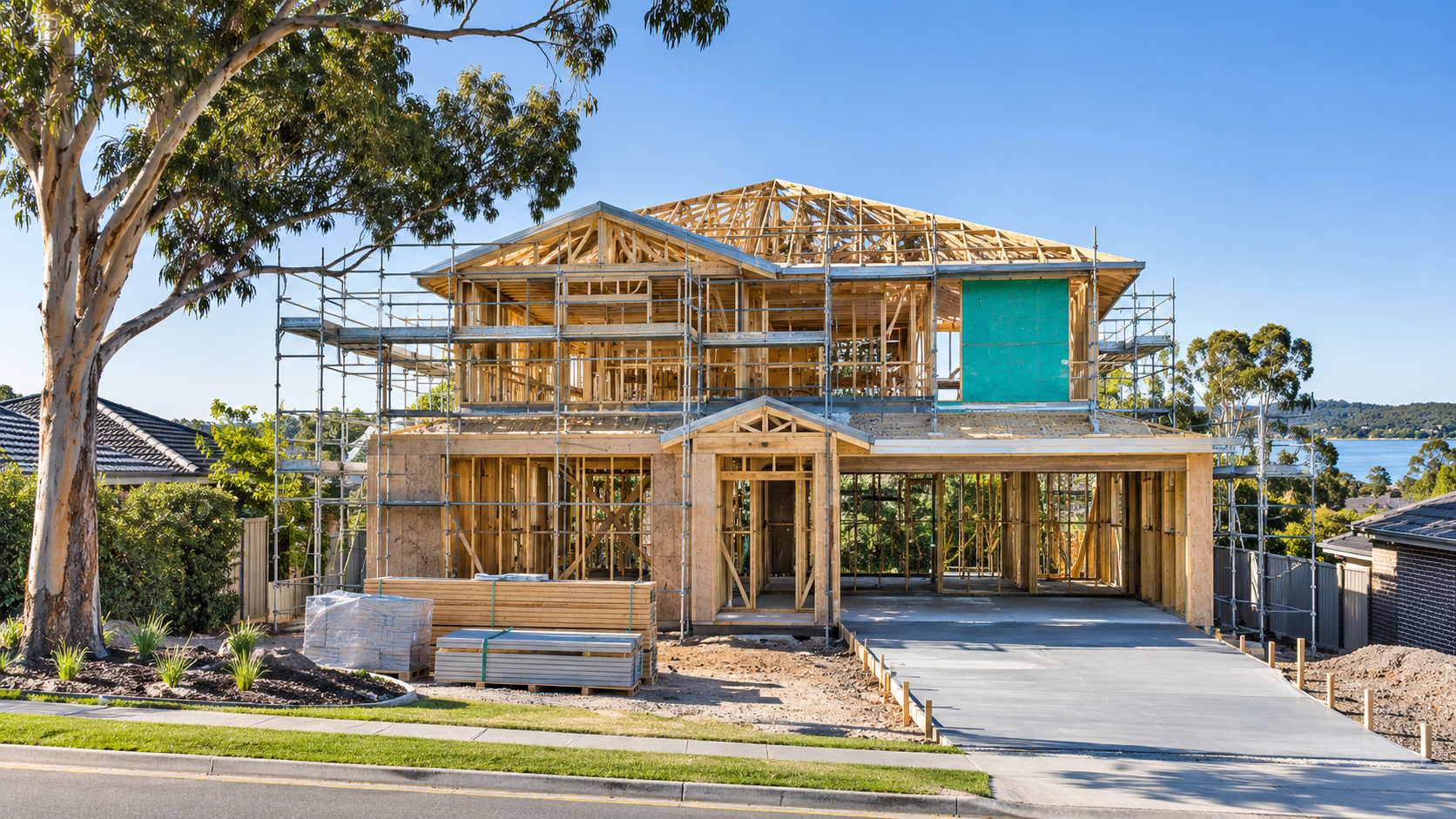
Most people come to us with a number in their head. They’ve done some research, maybe got a rough quote somewhere, and they’re feeling confident about what their renovation is going to cost.
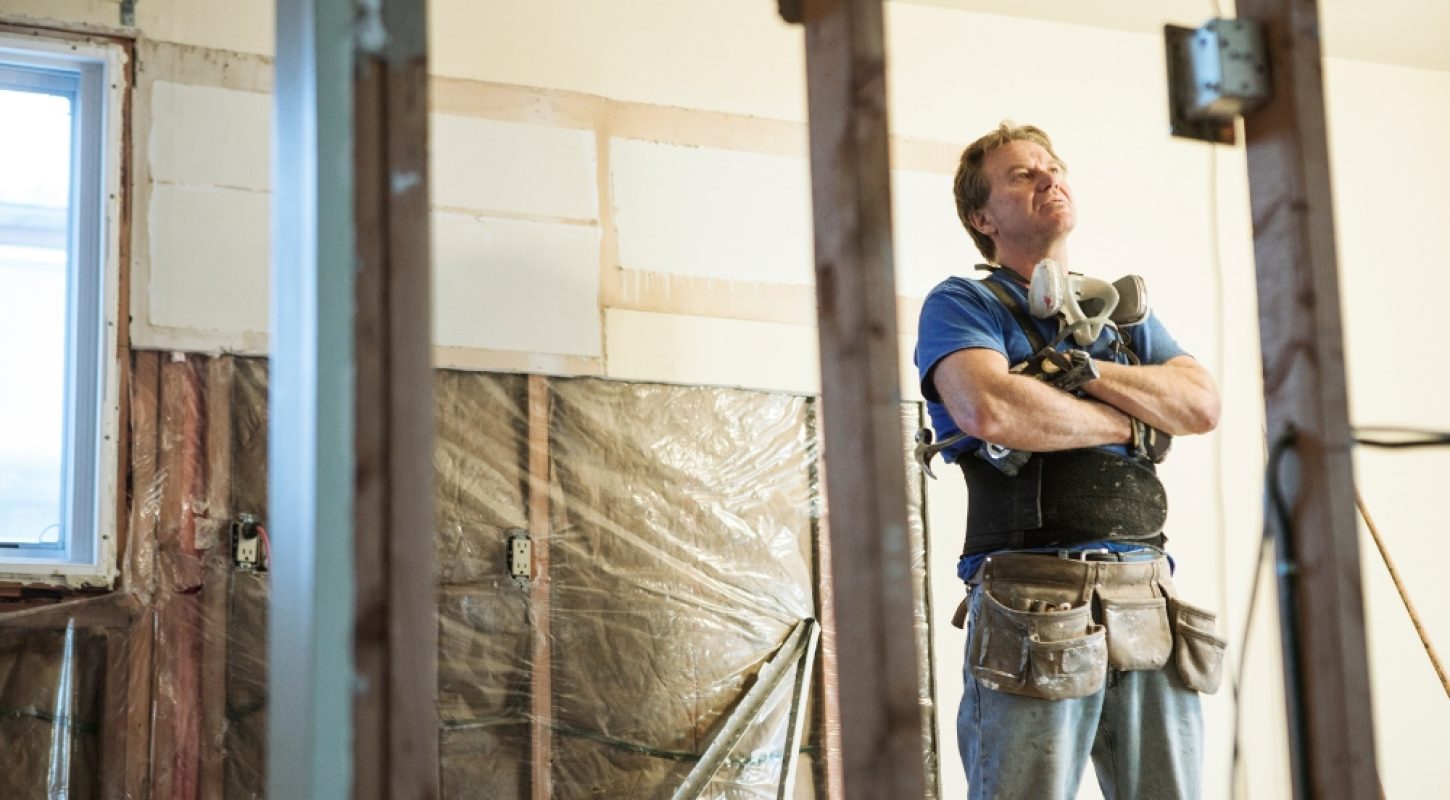
Then we open the walls.
This isn’t a scare tactic. It’s just the reality of renovating older homes, and the Newcastle and Lake Macquarie area has plenty of them. Houses built in the 1950s through to the 1980s were built differently, with different materials, and some of them have been patched, added to, and modified by who knows how many owners since then. What’s behind the plasterboard isn’t always what you’d expect.
Here’s an honest look at what can catch people out, so you can plan for it properly.
The 10-15% Contingency Rule
Before we get into specifics, this is the most important thing: always add 10-15% on top of your quoted price as a contingency buffer. Not because the builder is padding the quote. A good builder won’t do that. But some things genuinely can’t be known until work starts.
If you’re budgeting $80,000 for a room addition, set aside $88,000-$92,000. If nothing unexpected comes up, great. You’ve got money left over. But in our experience, something usually does come up, and you’ll be glad you planned for it.
What’s Actually Behind Those Walls
Asbestos
This is the big one for homes built before 1990. Asbestos was used extensively in eaves, bathroom sheeting, floor tiles, and around wet areas. It’s not always obvious, and you can’t tell just by looking at it.
When we find it, and in some suburbs we find it more often than not, work stops. A licensed asbestos removalist comes in, it gets removed and disposed of properly, and then we continue. That process typically adds $2,500 to $8,000 to the job depending on how much there is and where it is. It also adds one to two weeks.
It can’t be rushed and it can’t be skipped. That’s the law, and honestly, it’s the right call for everyone’s health.
Rotten or damaged framing
Old leaks that were patched without fixing the source, poor waterproofing on a previous bathroom renovation, or just decades of moisture. All of it can lead to rotten framing inside walls and floors. You don’t know it’s there until you open things up.
We had a bathroom job in Charlestown last year where we pulled off the tiles and found the framing behind the shower had been quietly rotting for the better part of a decade. The previous tiler had just tiled over a waterproofing failure. We replaced about 6 metres of structural framing and treated the area for mould before we could start fresh. Added $3,200 and three days to the job.
Old or non-compliant wiring and plumbing
Opening walls for a renovation often reveals electrical and plumbing work that doesn’t meet current standards. Sometimes it’s old cloth wiring. Sometimes it’s galvanised pipes that are corroding from the inside. If it’s in the scope of the renovation area, it generally needs to be brought up to code.
Your electrician and plumber will flag this during the build if it comes up.
Council Permits and Approvals
People are often surprised by this one. Not everything needs a permit, but a lot more does than most homeowners realise.
Room additions, structural changes, decks over 1 metre high, and changes to the footprint of a building typically require development approval or at least a complying development certificate. Permit costs vary depending on the project and the council, but budget $800 to $2,500 for approvals on mid-size projects. More importantly, budget 4 to 8 weeks for council processing time.
We handle the applications, but the waiting is out of our hands. Newcastle City Council and Lake Macquarie City Council both have their own timeframes, and those can stretch out during busy periods or if additional information is requested.
If permits aren’t factored into your timeline from the start, it can throw everything out.

Site Access and Preparation
This one doesn’t get talked about enough. The cost of getting materials in and waste out depends heavily on your property.
A standard block in Charlestown or Merewether with decent side access is straightforward. A split-level property in Warners Bay with a narrow driveway and no room for a skip bin is a different story. Hand excavation instead of machine excavation, materials carried in by hand, smaller loads to work around access. It all adds time and labour.
When we come out to quote, we’re always looking at access. But if your property has unusual constraints, flag it early so we can factor it in properly.
Variations During the Build
A variation is any change to the scope of work after the contract is signed. Some are client-driven. You decide you want the kitchen extended by another metre, or you upgrade the tiles halfway through. Others come from things we find during the build.
We always issue variations in writing before we do the work. You see the cost, you approve it, and then we proceed. We don’t present you with a surprise invoice at the end.
That said, variations do happen on most jobs. The best way to manage them is to finalise your design decisions before work starts. Tile choices, fixture selections, layout changes. Making those decisions mid-build almost always costs more than making them upfront.
Costs That Are Easy to Forget
A few line items that tend to get overlooked in the initial planning:
Temporary accommodation
If you’re doing a large kitchen or bathroom renovation, you may need to be out of part of the house for two to three weeks. Some people stay with family. Others hire short-term accommodation. Either way, it’s worth thinking through before you commit to a start date.
Landscaping and outdoor work
Building work tends to chew up gardens and lawns. Access paths get worn down, soil gets disturbed during drainage work, and the yard around a new addition often needs remediation. This usually isn’t included in the build quote.
Painting
New plasterboard, patched areas, and repaired walls often need painting beyond just the renovation area to get an even finish. If you’re planning to paint the whole interior anyway, time it with the build.
Furniture and window furnishings
If you’re adding a room, you’re furnishing a room. It sounds obvious, but it’s easy to spend your whole budget on the build and forget there’s nothing to go in it.
How to Have a Realistic Budget Conversation
The best thing you can do before committing to a renovation is be upfront with your builder about your actual budget. Not the number you want to spend, but the number you can genuinely stretch to if something comes up.
That lets us design a scope of work that’s achievable, flag where we’d need to make changes if the budget was under pressure and have a realistic conversation about staging the work if needed.
We’d rather have that conversation early than have it halfway through a build.
If you’re planning renovations and extensions in Newcastle or Lake Macquarie and want a straight quote with no surprises, call Paul at Extrabuild on 0407 100 424. He’ll come out, take a look, and give you an honest picture of what’s involved.