
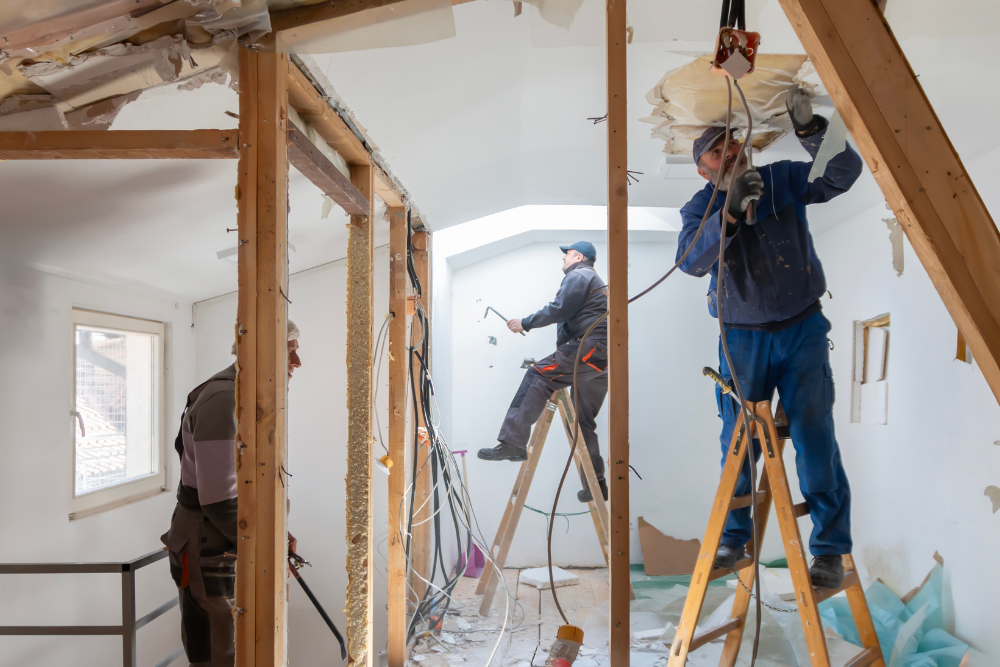


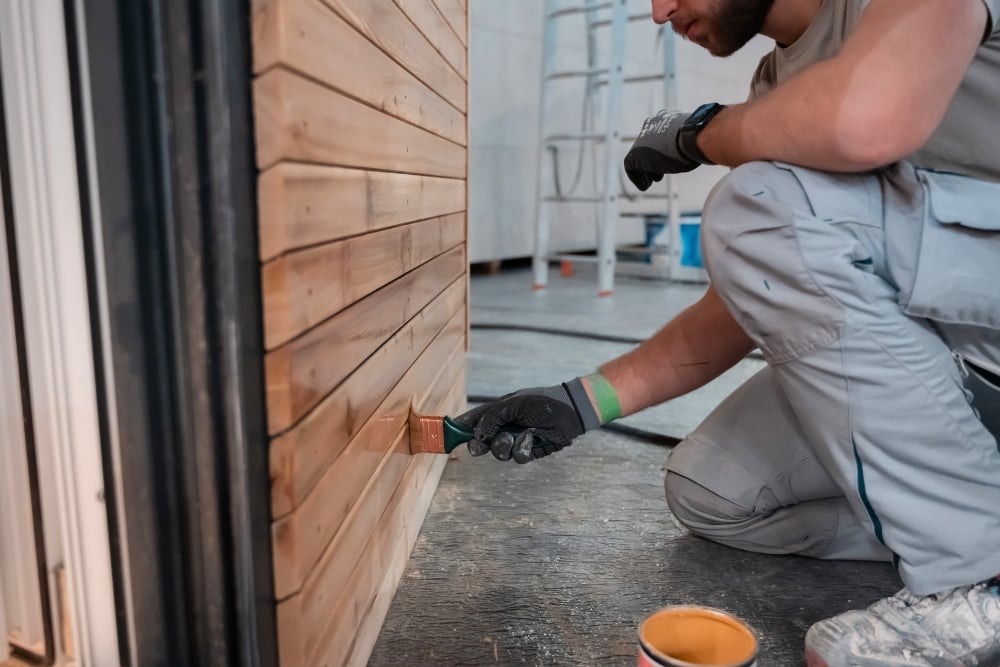

Construction workers working on electrical wiring and interior framing during a home renovation.

Renovations

How to Make Renovations More Energy Efficient

A renovation is the cheapest a home will ever be to make more energy efficient. Once walls are opened and ceilings are exposed, adding proper insulation costs a fraction of what it would to retrofit later, and it’s the same story with windows, ventilation and materials. Four things make the biggest difference: insulation, window type, ventilation design, and the materials chosen for the parts of the house that hold heat in or let it out. Here’s where to focus if sustainability is part of the brief.

Why a Renovation Is the Right Time to Fix Energy Efficiency

Most of the work involved in improving a home’s energy performance happens inside walls, under floors and above ceilings, exactly the areas already exposed during a renovation. Adding insulation to a wall that’s already open costs a lot less than opening it specifically for that purpose later. In New South Wales, renovations and additions valued at $50,000 or more also trigger a BASIX certificate requirement, which assesses the work against energy, water and thermal comfort targets. Smaller cosmetic renovations under that threshold are generally exempt, but once a project crosses it, energy efficiency stops being optional and becomes part of the approval itself.

Insulation: The Single Biggest Lever

Insulation does more for a home’s energy performance than almost any other single upgrade. Roof and ceiling insulation alone can cut heating and cooling costs by 45 percent or more and adding wall insulation during a renovation can bring energy costs down by up to 40 percent on top of that. Older homes, particularly brick veneer built before 1990, often have no wall insulation at all, which makes a renovation the first real opportunity to add it. There are two broad types, bulk insulation (batts made from polyester, glass wool, rock wool or similar) and reflective foil insulation, and the right choice depends on the part of the house being insulated. Look for the R-value on any product, which measures resistance to heat flow. The National Construction Code sets minimum R-values for roofs, walls and floors depending on climate zone, but going above the minimum is often worth it for a renovation where the walls are already open.

Workers applying patterned wallpaper to a wall during indoor home renovation.

Choosing the Right Window Types

Glazing is one of the most effective upgrades available during a renovation, and one of the easiest to overlook. Double or triple glazing reduces heat flow through a window by up to six times compared to single glazing, which matters both for keeping a home cooler in summer and warmer in winter. Frame material matters too; uPVC, timber and thermally broken aluminium all insulate better than standard aluminium frames. Window style affects more than looks awning windows open to a narrow gap and don’t move much air, while sliding or louvre windows open wider and work far better for genuine cross-ventilation. If ventilation matters as much as thermal performance in your climate, it’s worth choosing window styles with that in mind rather than on appearance alone.

Ventilation: Getting Airflow Right

Good ventilation reduces reliance on air conditioning and heating in the first place. Cross-ventilation, air moving in one side of a room and out the other, relies on window placement as much as window type, so it’s worth thinking about during a renovation layout rather than trying to fix afterwards. Roof spaces benefit from ventilation too, allowing summer heat to escape rather than radiating down into living areas, while still sealing well enough to avoid winter heat loss. A renovation is also the right time to check sub-floor ventilation, particularly under older timber floors, since poor airflow underneath a house can lead to trapped moisture and timber rot over time, on top of making the home harder to keep comfortable.

Energy-Saving Materials Worth Considering

Beyond insulation and glazing, a handful of smaller material choices add up. LED lighting throughout uses a fraction of the energy of older fittings and lasts considerably longer. Water-efficient tapware and fixtures reduce both water use and the energy cost of heating that water. Where render, cladding or roofing is being replaced anyway, choosing options with better thermal performance costs little extra over standard products and pays that difference back through lower running costs for the life of the house.

What This Means for a NSW Renovation

For any renovation crossing the $50,000 BASIX threshold, energy efficiency isn’t a nice-to-have added at the end, it’s assessed as part of getting the work approved. Getting the insulation, glazing and ventilation decisions right from the start avoids redesigning parts of the project later to meet a target that could have been built in from the beginning. Extrabuild has been renovating and extending homes across Newcastle and Lake Macquarie for over 30 years and can help work through what makes sense for your specific renovation, both for comfort and for meeting the requirements that apply to it.

FAQs

Does every renovation in NSW need to meet BASIX requirements?

No. BASIX applies to alterations and additions valued at $50,000 or more, and to pools or spas over 40,000 litres. Smaller, cosmetic renovations below that threshold are generally exempt.

Insulation, particularly if walls or ceilings are already being opened up as part of the work. It’s the cheapest time to add it, and roof and ceiling insulation alone can cut heating and cooling costs by 45 percent or more.

Often yes, particularly for west-facing or exposed windows. Double glazing reduces heat flow by up to six times compared to single glazing, which affects comfort and running costs in both summer and winter.

To an extent. Draft sealing, blinds and other minor upgrades help, but insulation and glazing improvements are far cheaper and easier to do properly while walls and windows are already being worked on as part of a larger renovation.

What Our Newcastle Clients Say

We’re proud to have completed granny flats and building projects across Newcastle and Lake Macquarie, delivering quality workmanship and exceptional communication.

The Journey to Loving Where You Live Starts Here