
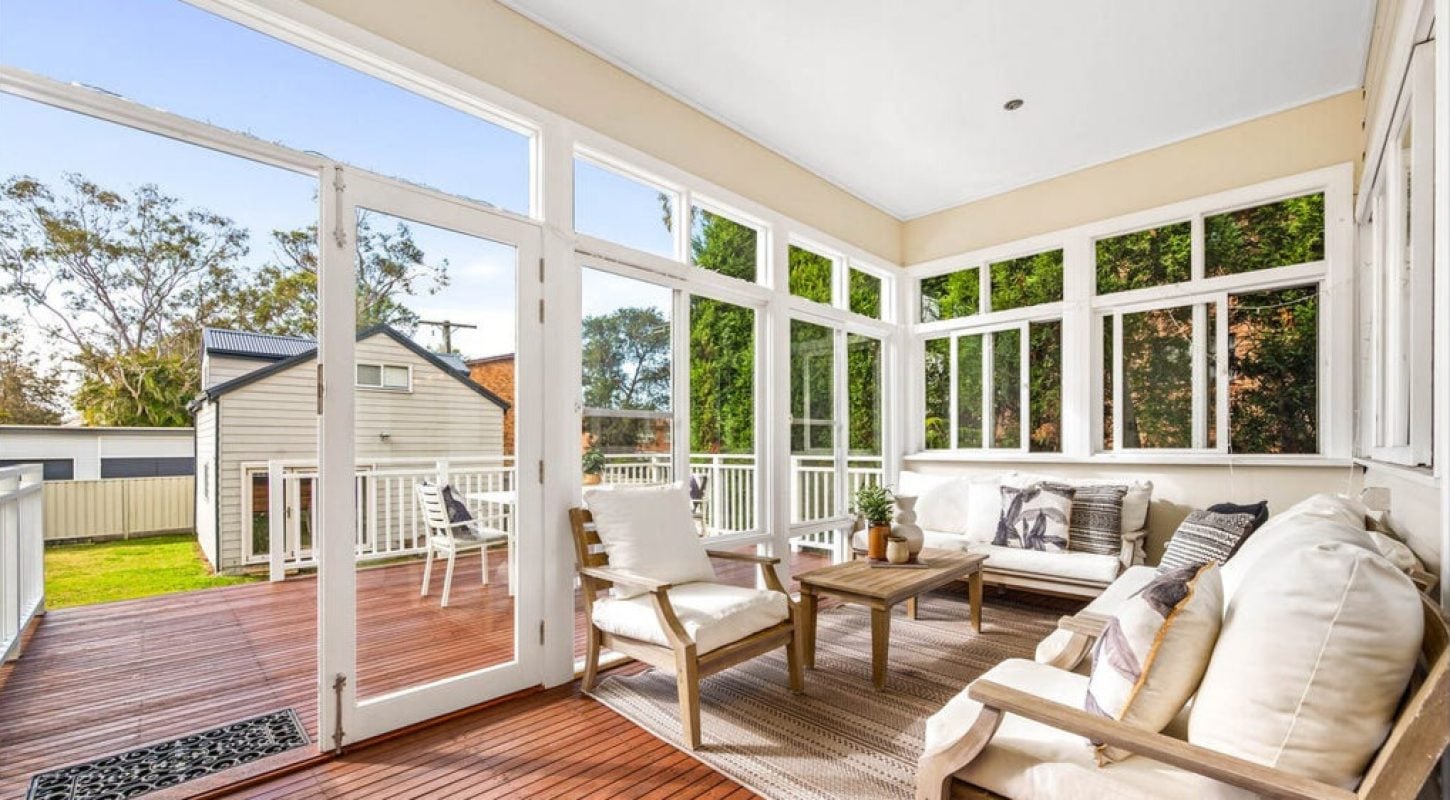
Living in Newcastle means abundant sunshine, so why not invite more of that natural light into your home? If you are building a new house or renovating an old one, bringing in daylight can transform your living spaces.
The Benefits of Natural Light
Natural light does more than just illuminate a room; it can improve your home’s atmosphere and your wellbeing. Some key benefits include:
- Health and wellbeing: Sunlight helps our bodies produce Vitamin D and regulate our internal body clock. This means better sleep, boosted mood and even a stronger immune system. Morning sunlight has uplifting effects and can energise you for the day. A brighter home can truly make you feel happier and healthier.
- Energy savings: Sunlight is free lighting. By designing your home to capture natural light, you can rely less on electrical lights during the day, cutting down on energy use and power bills. In winter, the sun can also provide natural warmth to living areas if your home is designed to catch the low northern sun.
- Comfort and atmosphere: Daylit rooms look bigger, warmer and more inviting. Natural light brings out true colours in your interior décor and creates a pleasant atmosphere that no bulb can match.
Windows and Glazing
Windows are the most obvious way to invite daylight indoors. When planning a new build or adding windows to an existing home, keep a few principles in mind:
- Size and placement: Bigger or more numerous windows will increase natural light, but they should be positioned wisely. As a guide, aim for window areas around 10 to 15 percent of the floor area in habitable rooms such as living rooms, kitchens and bedrooms.
- Orientation: North-facing windows are ideal in Newcastle’s climate. They receive plentiful sun in winter and can be shaded in summer when the sun is high. East-facing windows catch morning sun, while west-facing windows get low afternoon sun which can be harsh. South-facing windows get consistent but cooler light.
- Glazing performance: Modern double glazing or low-e glass allows plenty of light in while reducing heat loss in winter and heat gain in summer. If you are replacing old single-pane windows, upgrading to energy-efficient glazing is a worthwhile investment.
- Layout around windows: Keep heavy furniture or dark curtains from blocking windows. In open-plan layouts, windows in one area can often illuminate adjacent areas too. You can also “borrow” light between rooms using internal glass panels or high clerestory windows.
Skylights and Roof Windows
If a room lacks exterior walls for windows, skylights can be a perfect solution. These can brighten spaces from above and often deliver up to three times as much light as a similar-sized vertical window. Even a small skylight can dramatically improve a dark room.
- Placement and sizing: Position skylights where they disperse light well, such as in the centre of a room or over a hallway. Multiple smaller skylights spaced apart often provide more even light than one large opening.
- Types of skylights: Options include fixed or opening roof windows, which can also improve ventilation. Tubular skylights, or sun tunnels, are ideal for tight spaces like hallways or bathrooms.
- Glazing and heat control: Use double-glazed skylights or those with insulating shafts. In summer, tinted or low-e glass, diffusing covers and blinds help reduce glare and heat.
Layout and Room Orientation
The orientation of your rooms and overall home layout plays a huge role in daylight access.
- Face living areas north: Place your main living spaces so their windows face north to capture sunlight during the day. This is the most effective orientation in Newcastle’s climate.
- Plan for the seasons: North-facing eaves block high summer sun but allow low winter sun to warm the home. East windows suit bedrooms, while west-facing rooms may need shading to avoid afternoon heat.
- Internal layout: Open plan designs naturally allow light to travel further. If you have darker hallways or studies, consider openings, skylights or internal glass panels to borrow light from brighter rooms.
- Room function: Place rooms where they benefit most from the available light. For example, east-facing bedrooms for morning sun and north-facing living rooms for all-day light.
Reflective Surfaces and Colour Choices
The way you finish your interiors can make a big difference to how light spreads indoors.
- Wall and ceiling colours: Light colours such as white and soft neutrals reflect far more light than dark tones. Keep ceilings white or very light to maximise reflected daylight.
- Finishes: Glossy and semi-gloss finishes reflect more light, while matte finishes absorb it. A balanced mix helps avoid glare while still brightening the room.
- Mirrors and surfaces: Mirrors are a classic trick to double the daylight by reflecting it. Other reflective elements like glass, polished stone or metallic finishes also help scatter light.
- Flooring: Light timber, pale tiles or rugs can all help bounce more light around.
Light Wells and Internal Courtyards
Another way to bring light deep into the home is through open-to-the-sky features like courtyards or light wells.
These small outdoor voids capture sunlight and direct it into adjacent rooms. Even a compact courtyard can make a huge difference to central parts of a house. They also provide a private outdoor retreat and can improve ventilation when combined with operable windows.
Get in Touch with Extrabuild today to Start your Project
Looking to brighten your home with clever design and quality workmanship? We specialise in creating living spaces that feel light, open and comfortable. Contact us via our form here.